No to Vinyl Blight

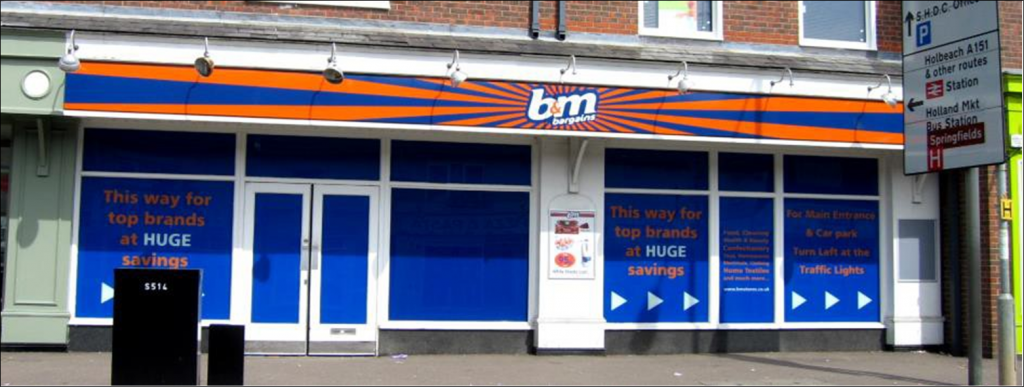
B & M's first Spalding store on Winsover Road. The entire shop front obliterated.

Campaign launch.

Our campaign against the blanking out – of shop windows was launched in our February 2016 Newsletter.

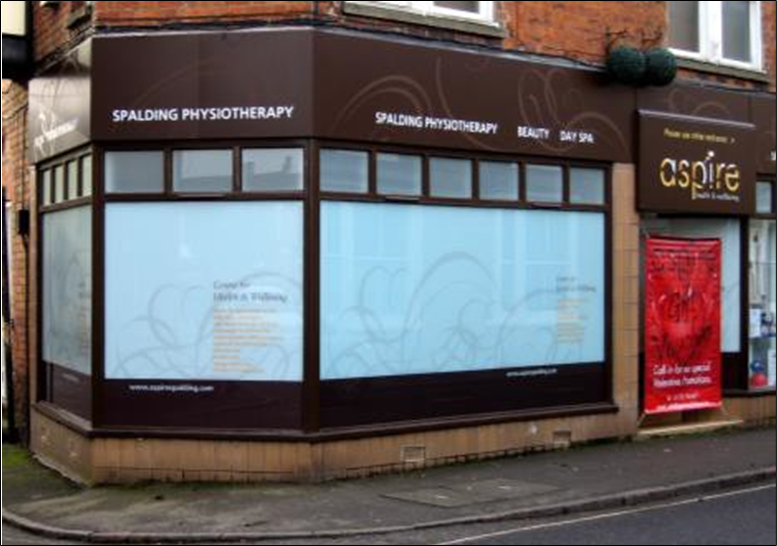
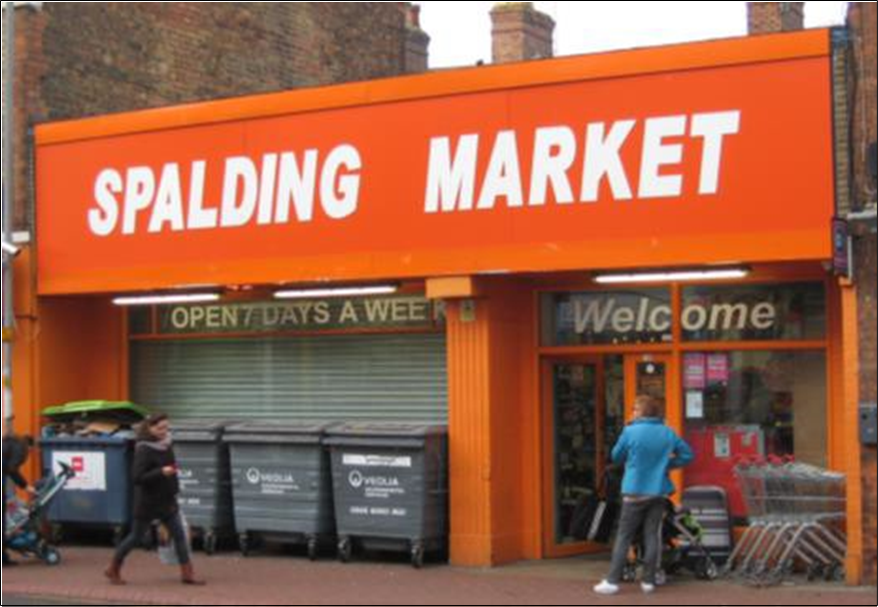
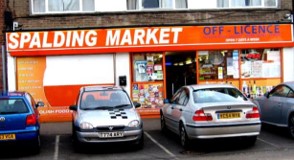
The town was really being affected by the practice of blanking out of shop windows by vinyl coverings. It was not just the mini-markets targeted at those who had settled in the area from Eastern European countries that were invariably found on the edge of the town centre, it was also the national chains as well – many in the town centre which is entirely within the Spalding Conservation area. Garish, down-at-heel, unfriendly. Footfall-killer and a real visitor turn-off.

These are windows that said, “Keep out,” unlike attractively set-out windows that say, ”Come in and see more.” What a difference if all our shop windows had the vitality and actuality of the Tuesday and Saturday market stalls. We felt that the town centre was selling itself short,

We suggested the following actions:-

  • Rigorous use of the Council’s existing powers to refuse hot-food takeaway applications if the cumulative effect is “likely to harm the character or shopping function of the area”.
  • Rapid adoption of the emerging Local Plan policy to extend these powers to prevent “dead frontages” – i.e. clusters of shops converted to non-retail uses. 
  • Setting up a shop-fronts awards scheme (most improved frontage? best Christmas window display? etc.).
  • Encouraging businesses with no goods to exhibit (such as betting shops, solicitors and building societies) to host regularly changing displays through establishing links with art studios or societies, photographic societies, schools, etc., (like the Unique Studios window in the Crescent).

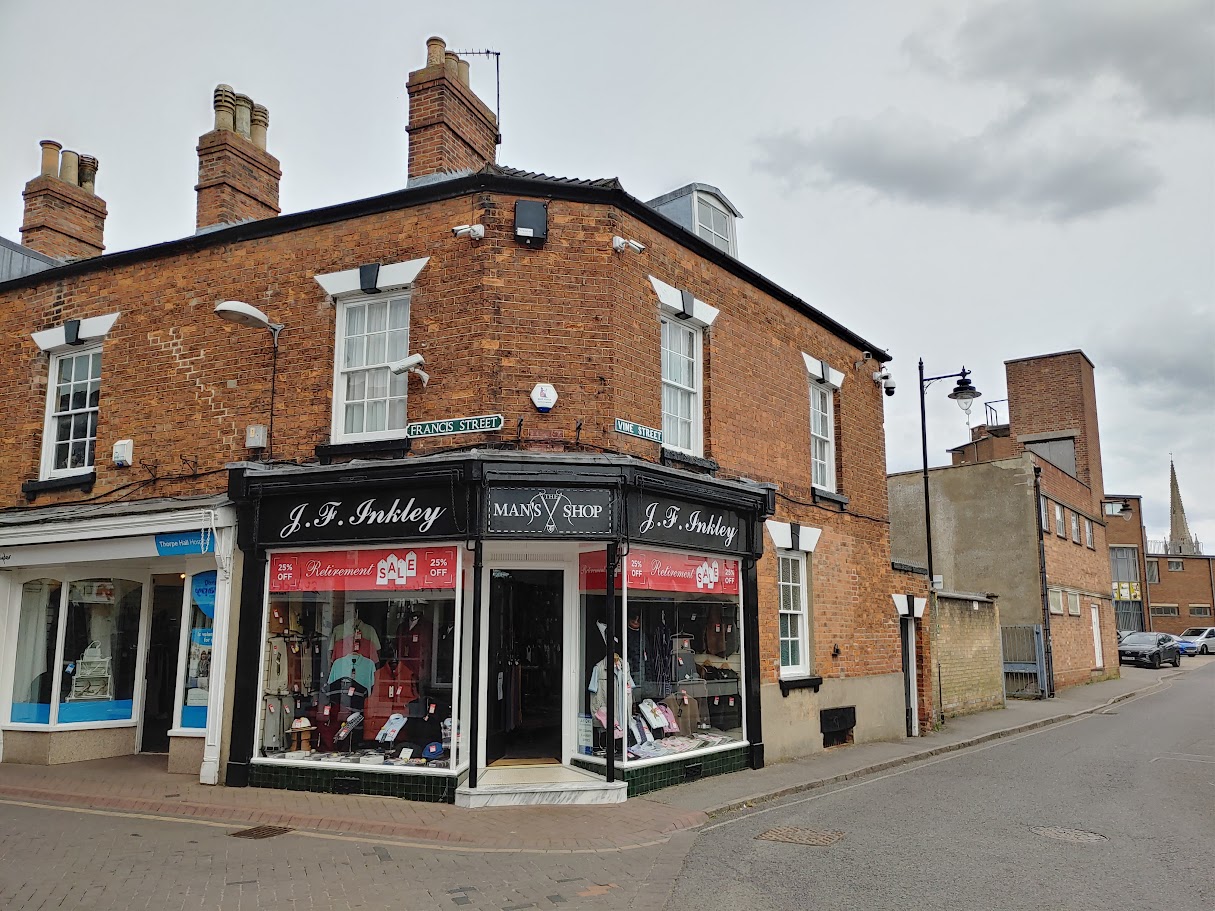
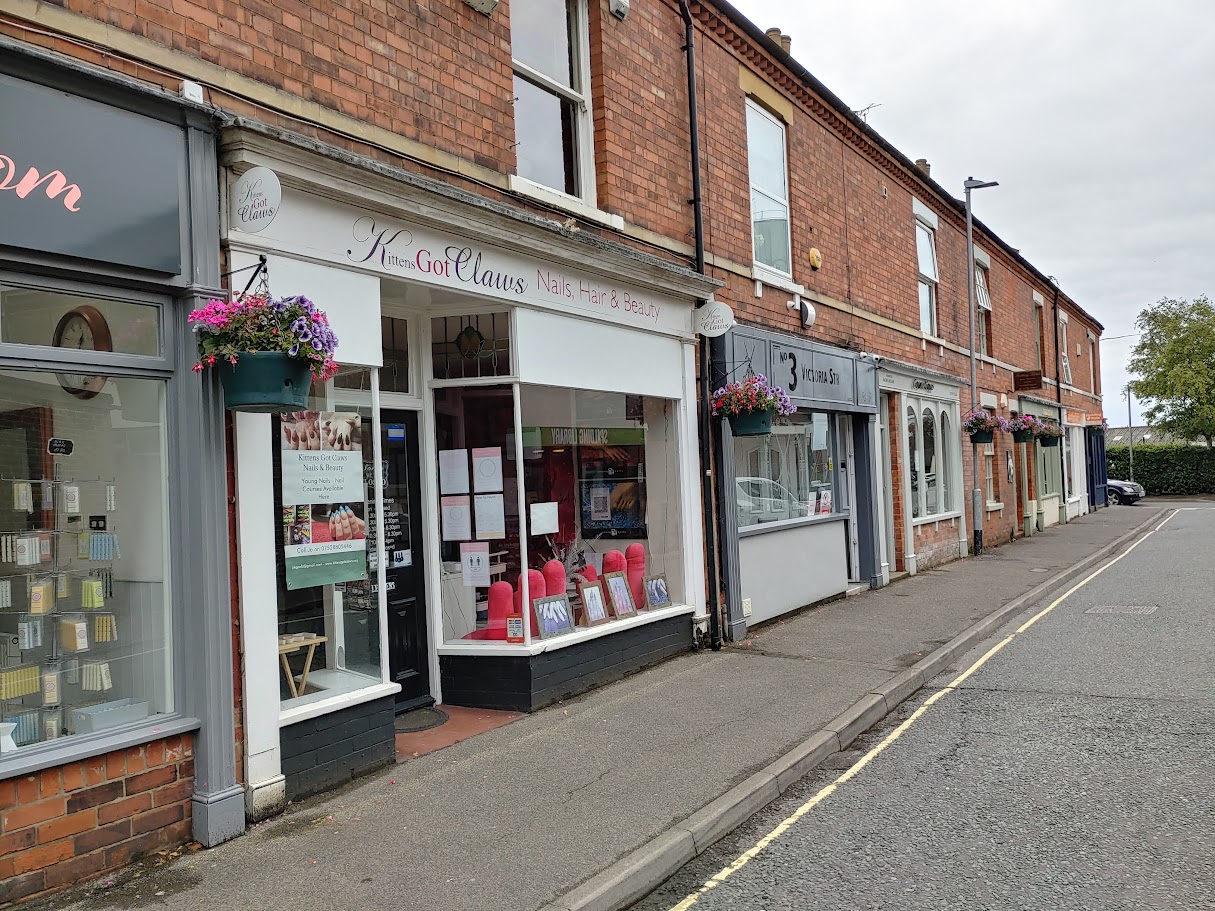
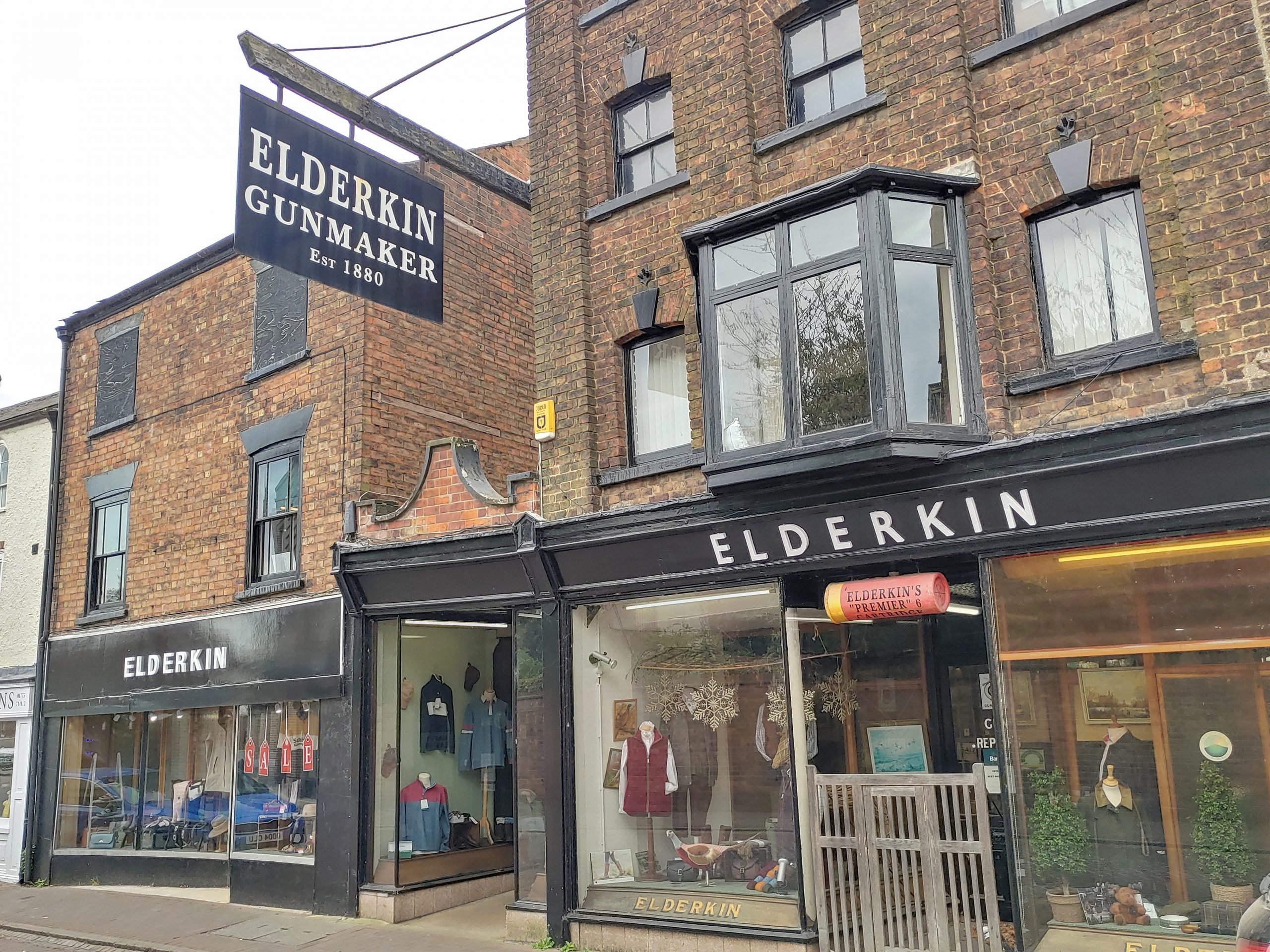
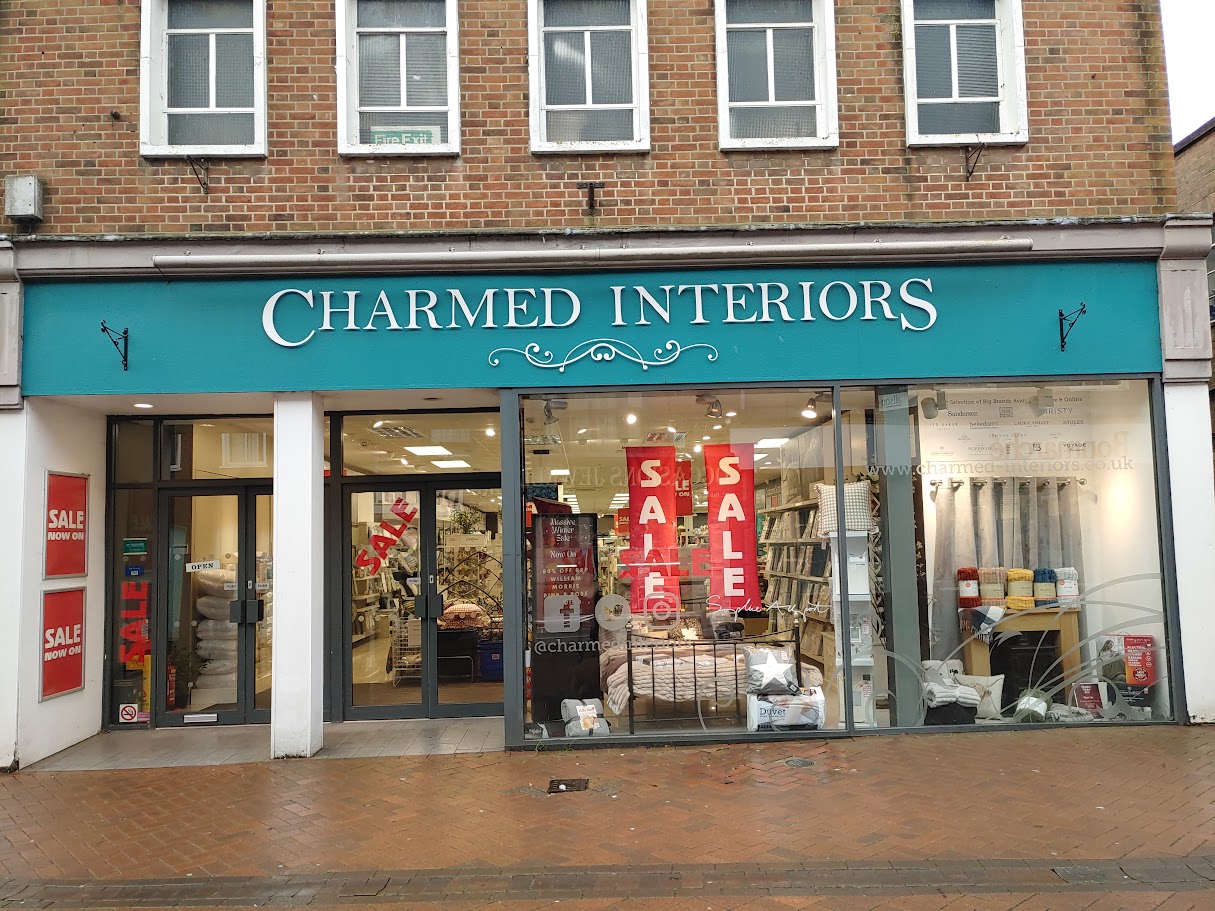
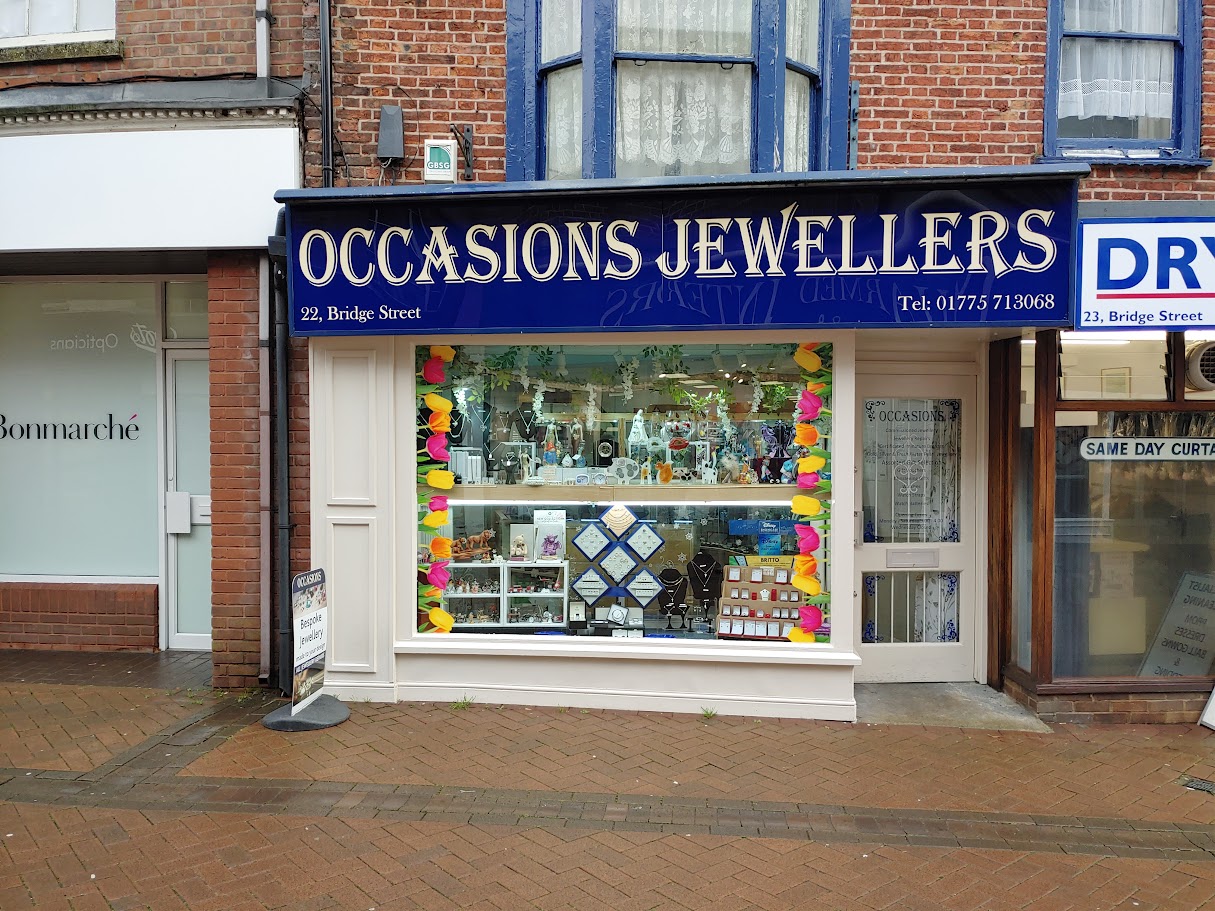
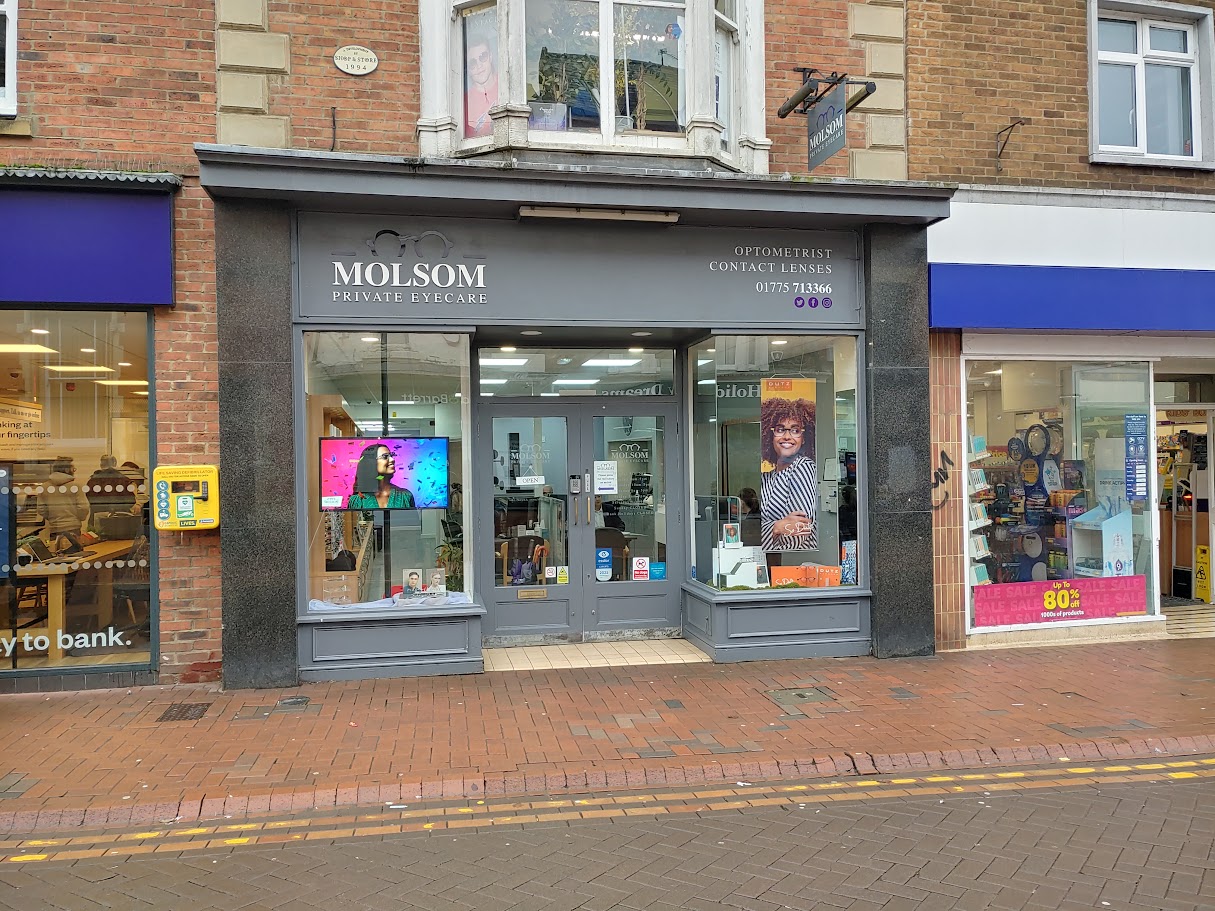
Meanwhile, attractive shop fronts can be attractive in various ways as shown by the following examples. All it takes is a little effort!

It got worse

Over the summer of 2016, things got worse with vinyl spreading throughout the town with no enforcement action being taken.

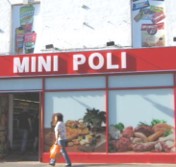
Mini Poli, Winsover Road

In addition to the usual blanking out, the garish spread here was carried up onto the gable end and the first floor windows. Both contrary to SHDC policies and practice.

We called for enforcement action.

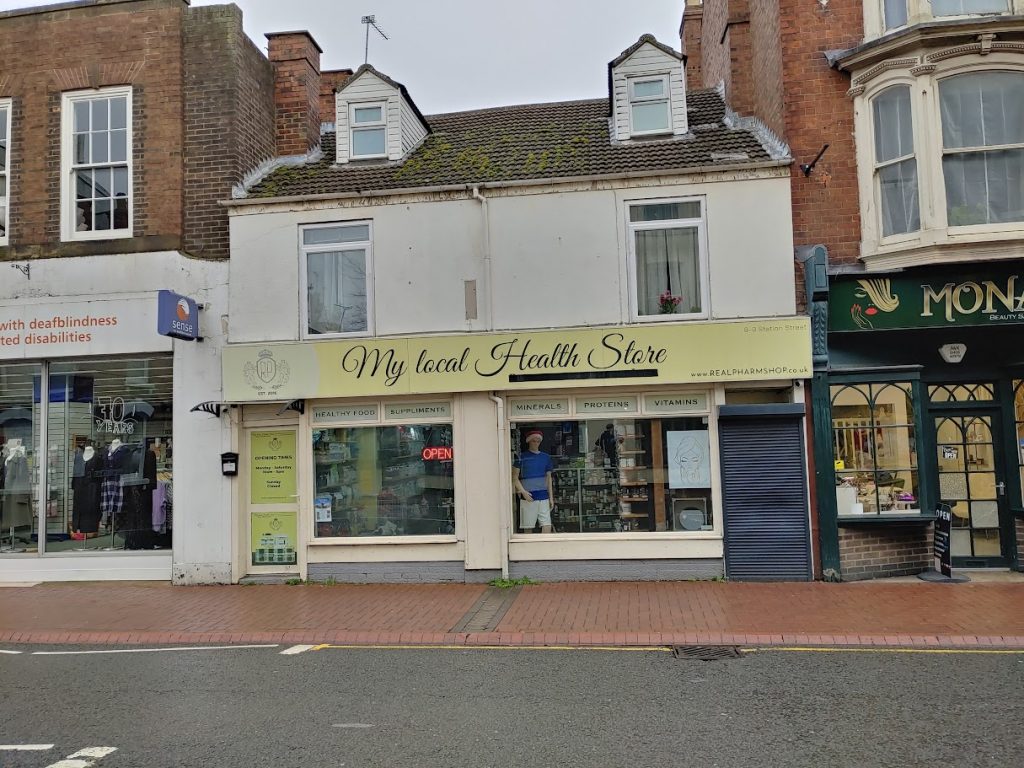
Real Pharm Shop, Station Street

For all its visual assault on the Conservation Area, it was  difficult to know what goods or services were being offered. So much for the supposed effectiveness of in-your-face advertising.

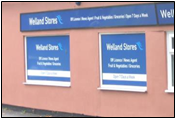
Welland Stores, London Road

The Conservation Area again. Shiny blankness, completely at odds with the character of the riverside.

Aldi heard us - eventually

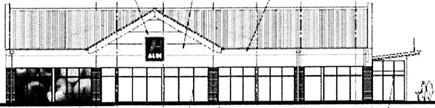
Aldi proposed extension to its store on Winsover Road, complete with vinyls. We objected

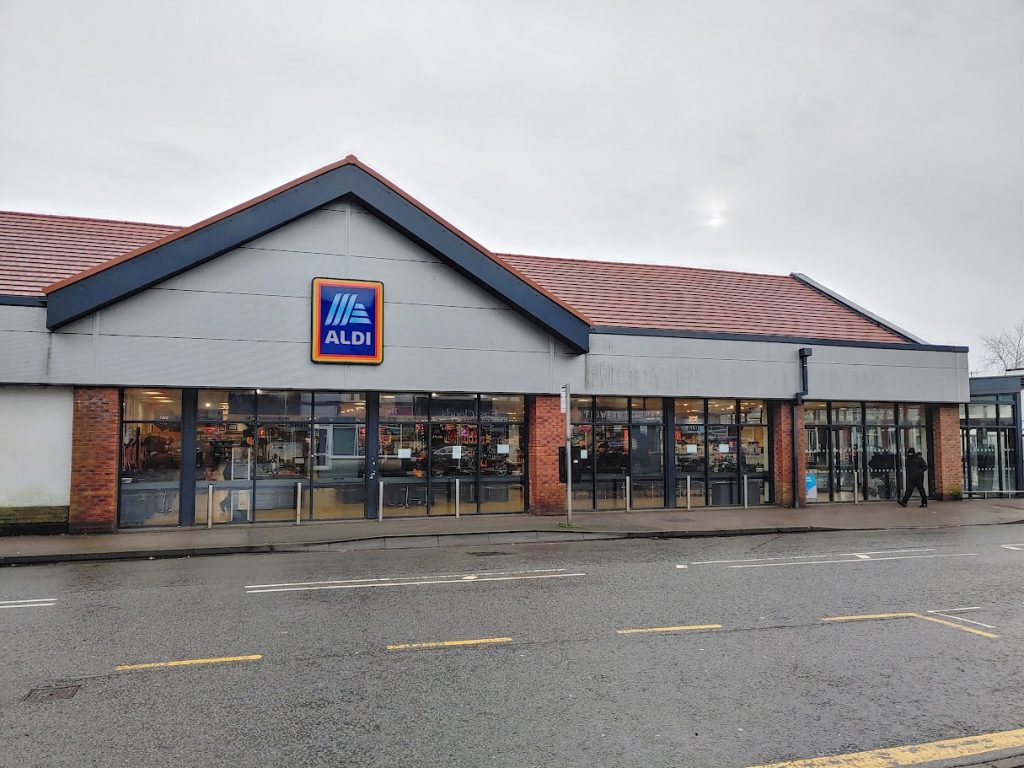
Aldi’s application to expand along Winsover Road would have added more vinyl. Whilst the plan showed a thoughtful re-allocation of parking for disabled people and parents with children, and kept the important pedestrian access from Winsover Road unlike B&M across the road (see above). But we failed to see how the store designer thought that it would be “respecting and enhancing the environmental context” by obliterating its quality brickwork with white render or replacing it with aluminium board covered in jumbo apples and tomatoes. It was beginning to feel like a science fiction SF horror film, with the town being invaded by gigantic fruit and sausages. You wouldn’t think the Aldi directors would have wanted to appear to be lining themselves up with the kind of mini-markets the police raid for contraband cigarettes and spirits. 

We objected to the gross vinyls and loss of quality brickwork and the application was withdrawn and they proposed a more acceptable design.

Aldi, Winsover Road

Positive Developments

Towards the end of 2016, we were pleased to note that at least one trader had noticed our campaign.

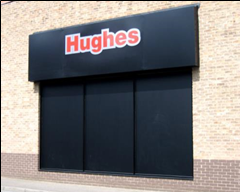
Hughes, the then electrical goods shop in the Sheep Market approached the Society to ask how they might improve the look of their black blanked-out window fronting Victoria Street.

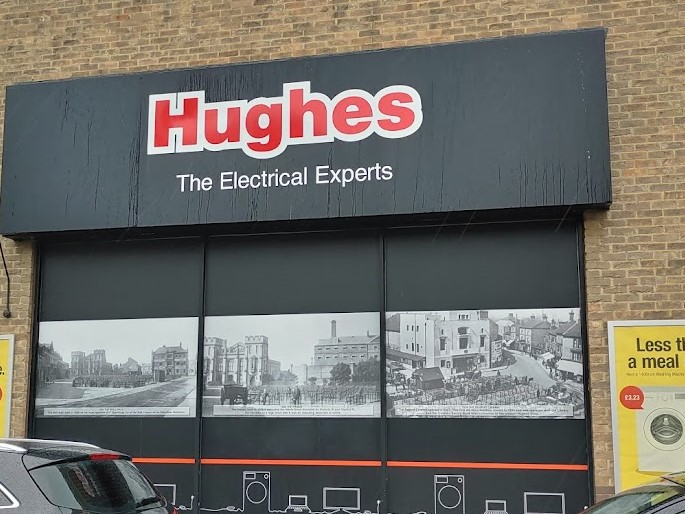
After a site meeting it was agreed that the shop layout made it impractical, at present, to re-open the window for the display of goods; so our suggestion was adopted to display three pictures depicting the history of the site their shop now occupies. The manager came up with these three photographs.

We very much appreciated Hughes’s positive response and hoped that other shops would follow their example. 

Before

After

Hughes original blanked out window.
Hughes Window incorporating images depicting the history of the site.
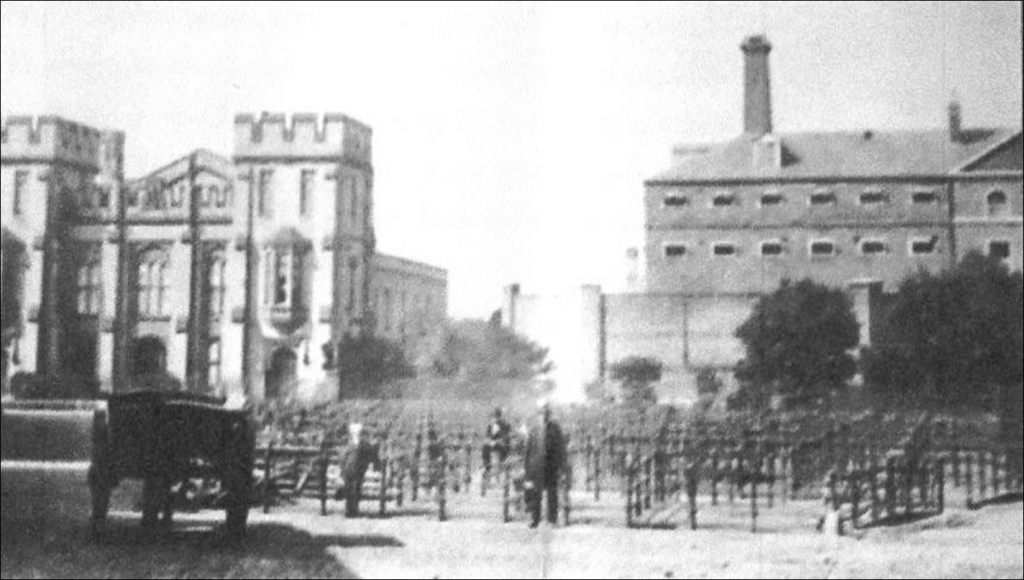
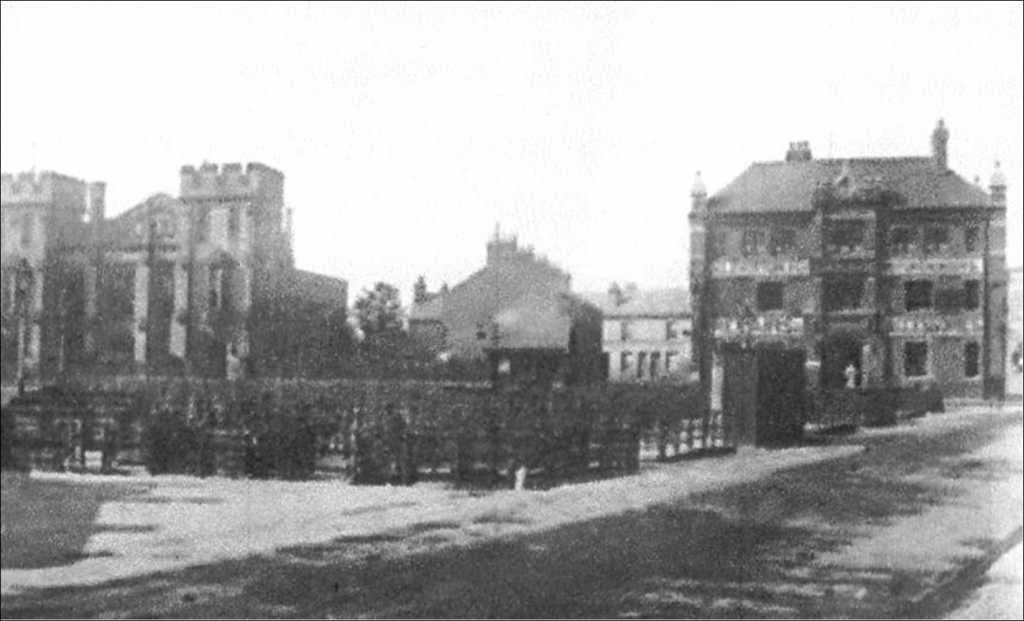
1880 The Prison

The Prison was built in 1826. It occupied the whole block bounded by Victoria Street and Station Street and was surrounded by high brick walls; an imposing deterrent to crime. Demolished in 1890. The Sessions House opposite was built in 1842.

1920 The Drill Hall

The Drill Hall was built in 1890 as the head-quarters of F (Spalding) Co. of the 2nd Lincolnshire Volunteer Battalion.

It was sold to H.Leverton & Co. in 1909 and converted to a garage and showroom. Demolished 1926.

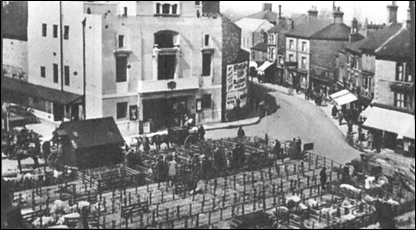
1930 Regent Cinema

The Regent Cinema opened in 1927. This fine art-deco building closed in 1959 and was replaced by the Library and the Trustee Savings Bank, later to become a restaurant and then converted into the present Hughes shop.

The sheep market was moved to a new site in 1938.

Another positive development was that the Real Pharm Shop in Station Street decided to show passers by what it sells. Surely the way to attract customers when a trading name offers no real clue. The frontage now looks inviting and whilst not perfect, is more complementary to the age of the building that it occupies.

Real Pharm Shop, Station Street

A concession won, but it did not go far enough
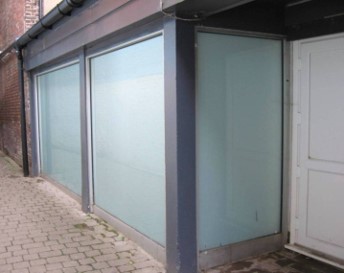
As part our response to the South East Lincolnshire Plan consultation that was taking place at this time, we called for a specific policy that would have halted the spread of vinyl plastic on shop fronts and other towns in South East Lincolnshire including Boston in its tracks. The wording we proposed was as follows:-

The blanking-out of shop windows by opaque or semi-opaque vinyl film, blinds, or the rear of cabinets, display shelves or panels will not be permitted.

The examining Inspector and officers involved were evidently convinced, and the following appears in policy 26 covering primary shop frontages in the final version of the Plan that was adopted on 8 March 2019 :-
 
The blanking out of shop windows by externally-positioned opaque or semi-opaque blinds or vinyl film or by other means will not be permitted.’
 
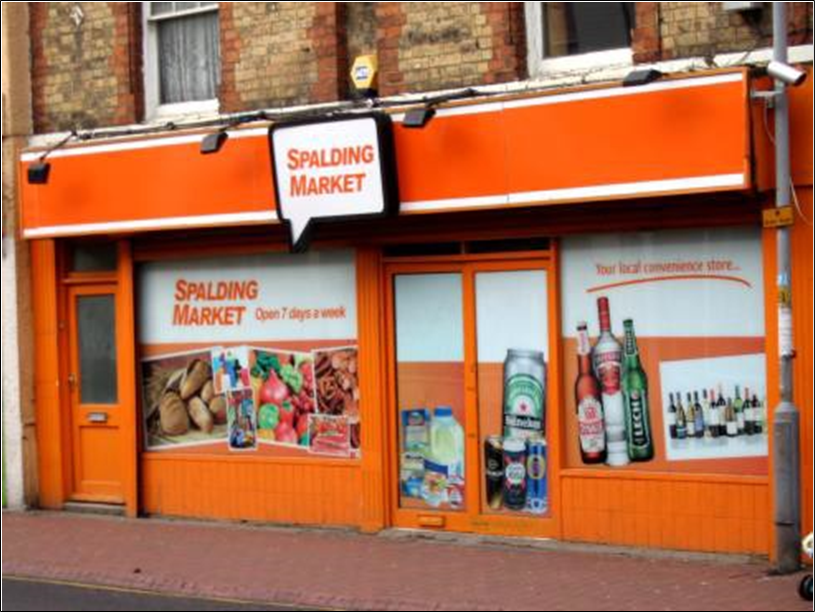
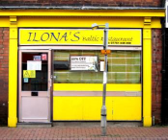
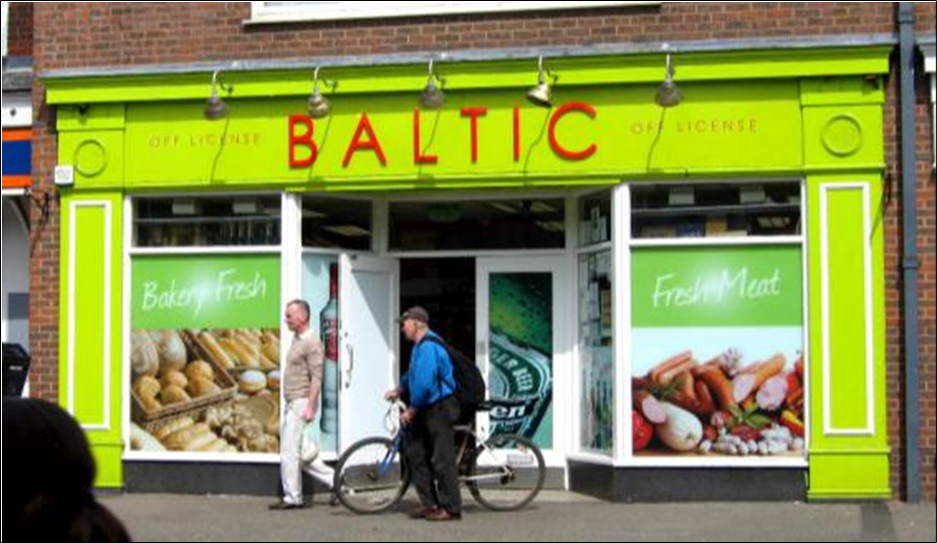
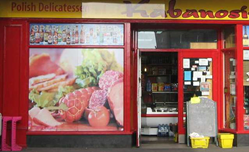
However the insertion of the words externally-positioned rendered the provision self-sabotaging. All that a shop front designer had to do was apply the vinyl inside the window instead of outside.  The below examples show two shops, both with vinyl. The first is applied on the outside, the second on the inside. The basic issue remains when applied on the inside. They are garish, strident intrusions on the streetscape and kill footfall and therefore retail business. No- one crosses the road to look at a pumped-up parsnip or zoomed-up beer cans. In effect, it’s like being assailed by a succession of gross advertising hoardings at eye-level or, if like B&M (still in Winsover Road at the time), by a blank wall.
Kabanosik, Winsover Road
Baltic Mini Market, Winsover Road

The root of the problem

The root of the problem lies in the national Regulations for the Control of Advertisements, drawn up well over 20 years ago and now seriously out of date. The blanking-out of shop windows has only become a practice quite recently, so the Regulations naturally have nothing to say about it. The nearest they get to a regulation that would involve shop windows is the one that gives “deemed consent” to virtually any “advertisements displayed inside buildings”. Hence the problem. Hence the absurd anomaly of the photos above, where the essentially identical treatment of shop windows is both permissible and not permissible. As one of the officers drawing up the new Local Plan said to us: “We’ve done the best we could within the present planning regulations.”
 
In that case, we concluded that the present national regulations were no longer fit for purpose.

So we wrote to the Secretary of State for Housing, Communities and Local Government urging the need for the regulations regarding shop windows to be brought up to date, along the lines we have suggested. 

We received a response which whilst offering some clarification on the legislation, did not offer a resolution.

Comparison with neighbouring towns

We investigated what our neighbouring towns were doing to address this issue. Stamford, which has the oldest conservation area in the country was not suffering from the same issue. So how come that the national chains were not inflicting tacky vinyl windows there? Well Stamford has a shop front design guide that was adopted in October 1993 which makes specific reference to the issue of advertisements fixed to the inside of shop doors and windows:-

“Temporary advertisements fixed to the inside of doors and windows can spoil the appearance of a building. They are mostly designed in very bright colours to draw attention to a special event, usually a sale. Such signs should be kept to a minimum (no more than one per window should be necessary) and removed as soon as possible. Similarly, an excessive number of stickers and notices on windows and doors will give the shopfront a cluttered appearance and should be avoided.”

The guide is still applicable today and is treated as Supplementary Planning Guidance specifically relating to Stamford.

Turning to Peterborough. we noted that their shop front design guide sets out the basic function of a shop window:-

A shop front projects the best possible image of the business. It needs to display goods effectively and attract customers. It is in the shop owner’s interest to make sure that the shop front is well designed and makes a positive contribution to the street. Attractive shopping streets that provide a pleasing shopping experience will lead to higher custom.” (§ 5.1)

Even more basically: “encouraging [shoppers] to stay and spend.” 

Accordingly, vinyls are specifically restricted in Peterborough:

“Window stickers should be restrained and cover no more than 20% of the total window area.” 

Wisbech  has a similar restriction in its Shopfront Guide:-

 “Consideration should be given to window display without blocking the entire frontage with vinyl graphics.”

When we were invited by the Council to join the town centre regeneration steering group set to to explore ways to  approached the council in 2021 we raised the appearance of shop frontages in Spalding, flagging up that the District Council had previously adopted design guides covering shop frontages and advertising  and asked whether they still applied. We were told that they were no longer being applied but that it was intended to prepare up to date local design guides in accordance with central Government guidance.

So we waited…..and waited.

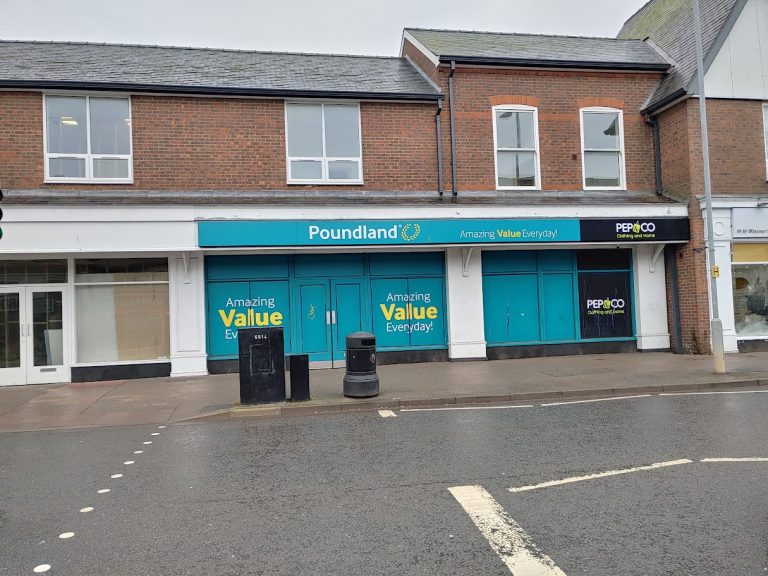
Poundland

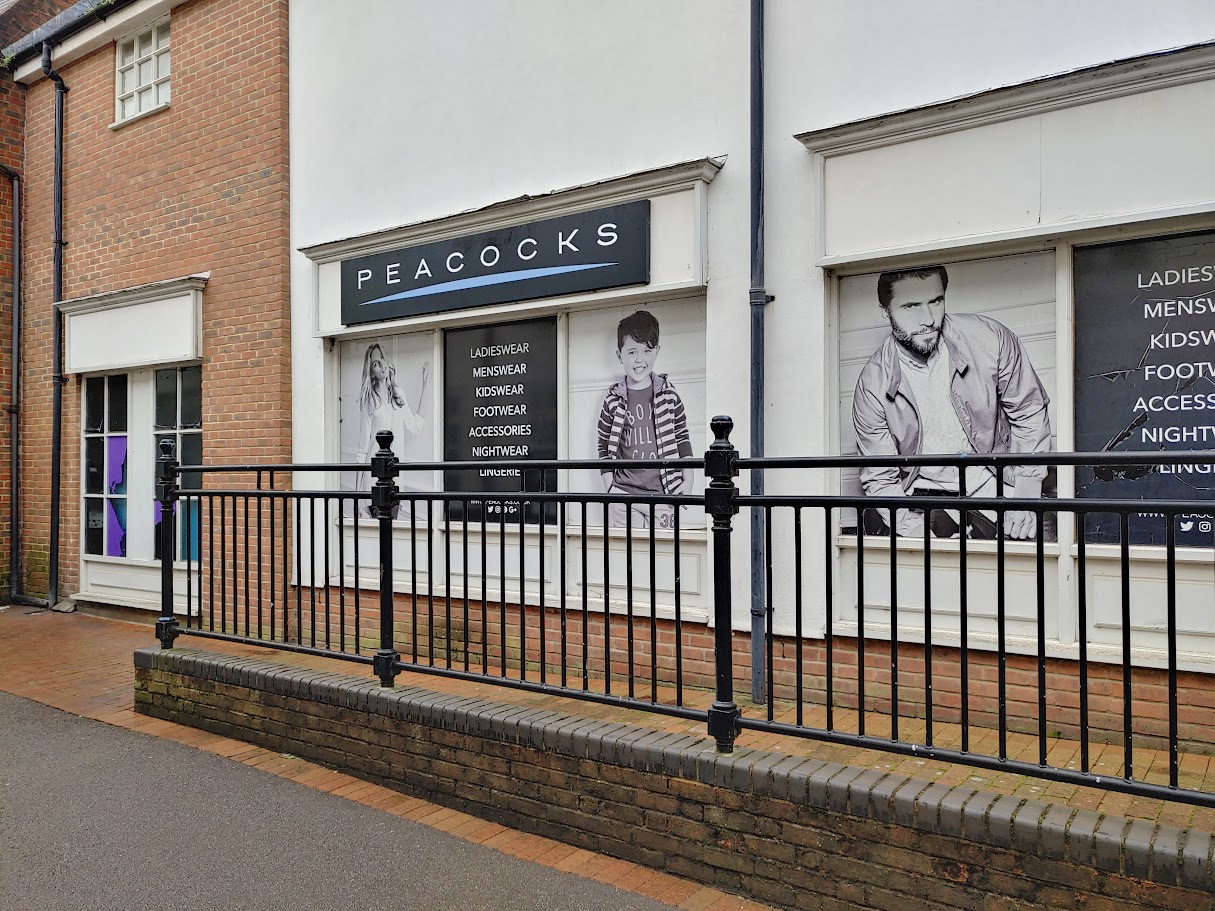
Meanwhile, the vinyl blight in the town spread. When we heard that Poundland were going to take move into the B & M store on Winsover Road, we  wrote to the company’s Project Manager copying in their Architect asking them to reinstate the original entrance on Winsover Road and use the windows for their intended purpose. We pointed out that many of their stores had traditional shop frontages such as this revamped store in Stoke.  We did not receive a reply. In time, it became apparent that our request had fallen on deaf ears.

Poundland, Winsover Road

More and more vinyl....

By 2021, we noted that over 10 more vinyl covered windows had appeared in the town. Some have since gone as the owners that seemed to use vinyl to hide their illicit trade in counterfeit tobacco and alcohol have been put out of business thanks to a sequence of closure notices by the authorities, but those on legitimate business premises remain. 

Abbey Passage

Abbey Passage was notorious for its misuse as a urinal. By preventing informal surveillance from within the shop, the  blanking-out only made the situation worse.

Olawa Bakery, New Road

The shop’s other window is vinyl-free with real pizzas and pastries on display. Always there are people looking. Whilst the space behind the window is used, perhaps they could add information about what the shop sells to inform would-be customers.

Hill & Clark, New Road

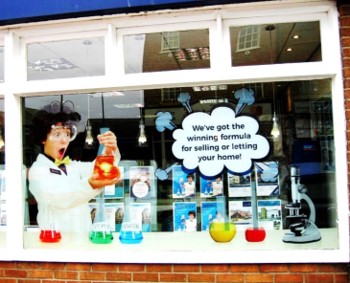
Not a pharmacist’s but an estate agent’s! Well may the “scientist” of this vinyl half- sticker look surprised. She’s actually been positioned to hide several of the properties the agent is supposedly trying to sell.

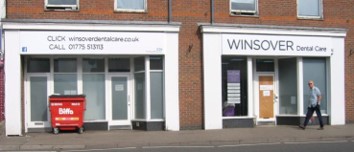
Winsover Dental Care, Winsover Road
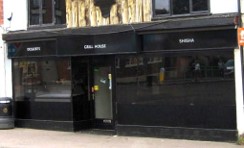
Rustic Grill House, Winsover Road
European Food Store, Winsover Road
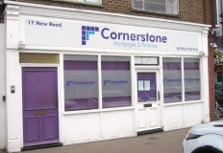
Cornerstone, New Road
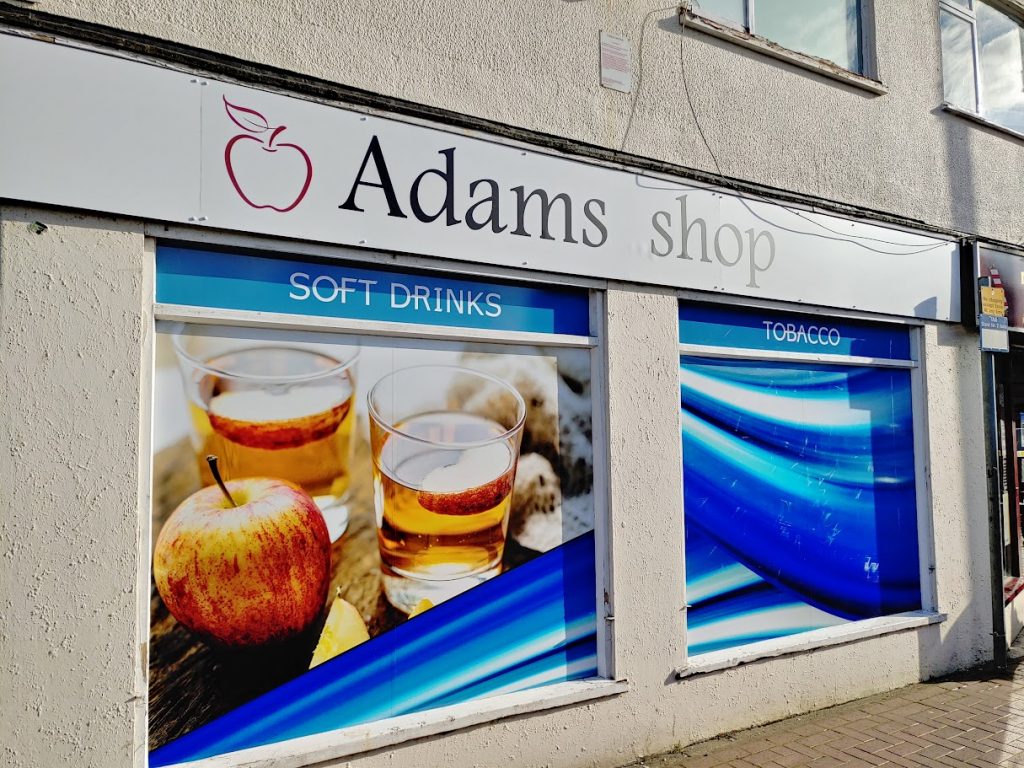
Adams Shop, New Road
Euro Star, New Road

Some took note

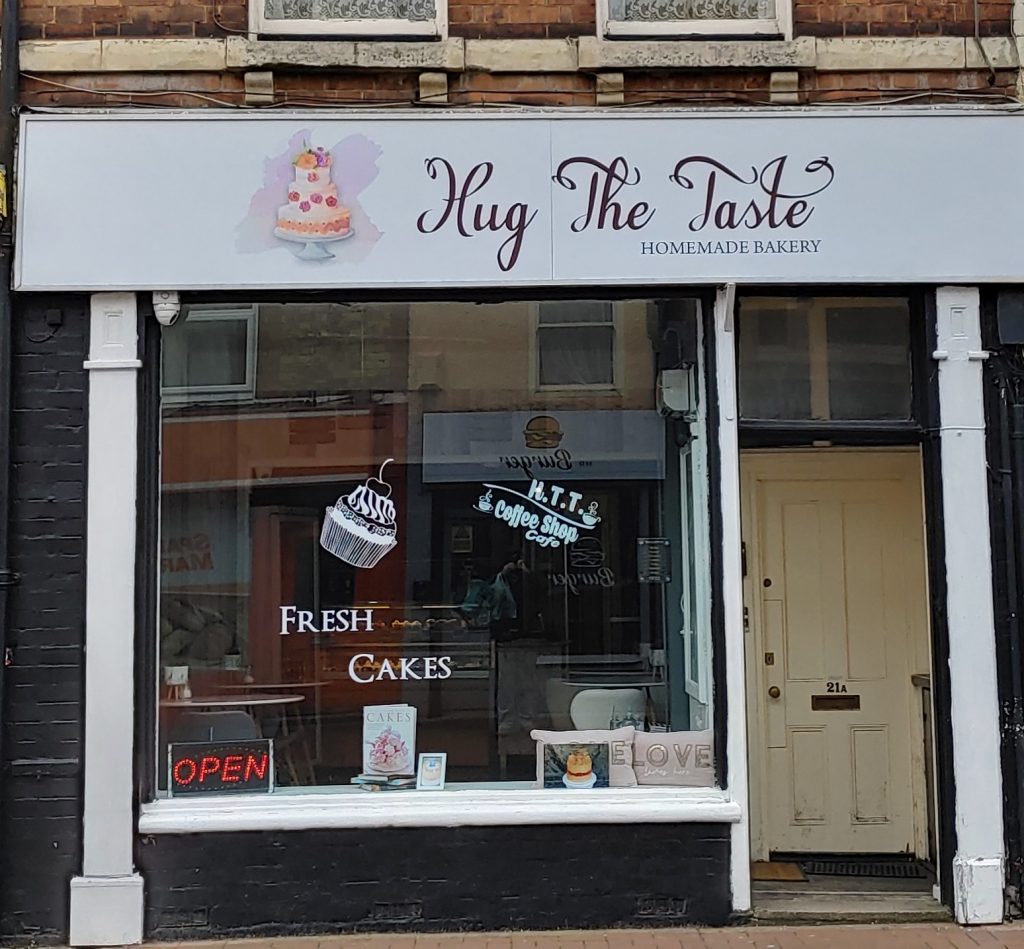
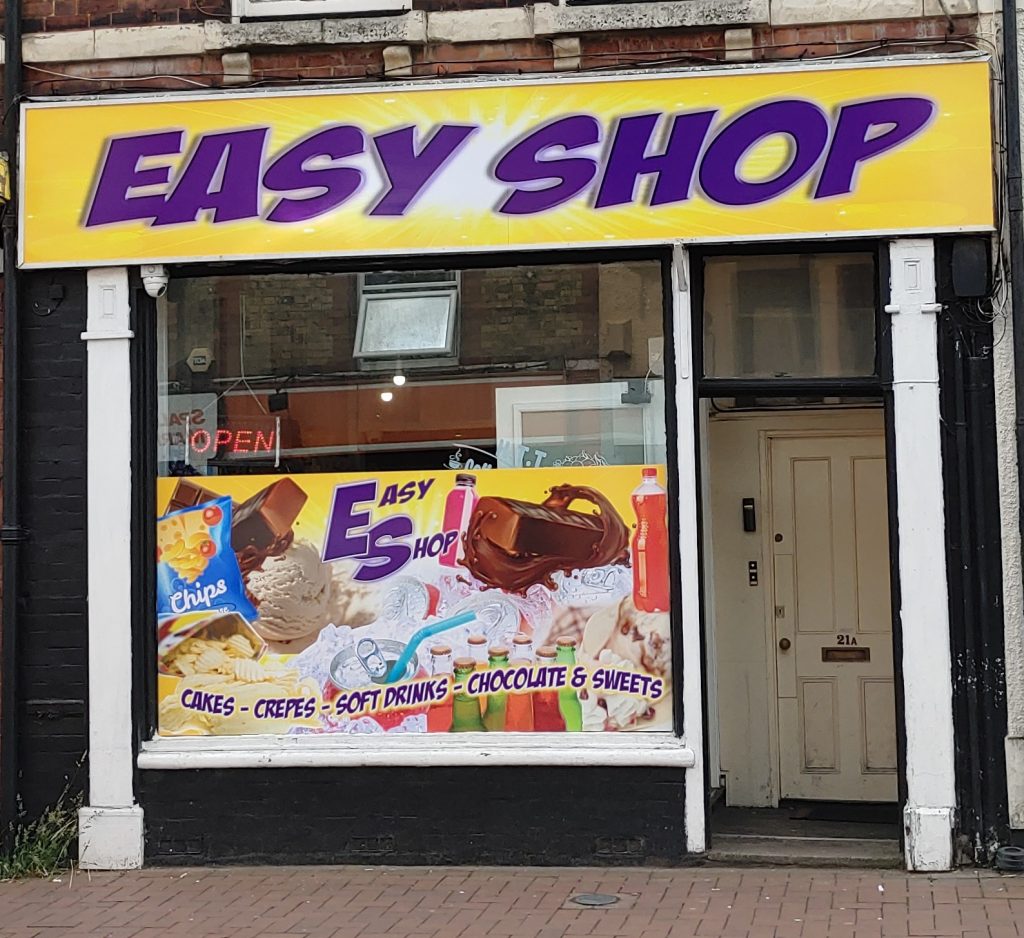
As our campaign became more public, some new businesses took note of our campaign as demonstrated by a new cake shop. Hug The Taste which opened on Station Street, after the first Covid lockdown.  Its window display invited the passer-by to enter and see what is on offer. That is exactly what a shop window is for. Sadly, the business did not survive the second Covid lockdown. The replacement business was yet another mini-market – with yet more vinyl. 

From This
To This

Publicity

Thanks to the local press our campaign began to kick off and was covered by the following news stories:-

Resolution secured

This publicity, together with many comments made by members of the public on social media, began to result in more positive changes in the town and at the beginning of 2025 we secured a firm commitment from South Holland District Council to prepare a new shop front guide for Spalding.

The new guide that South Holland District Council have undertaken consultations on as part of a wider consultation on heritage and a reappraisal of the conservation area has been prepared after conversations with North Somerset District Council, whose North Somerset Shopfront Design guide we flagged up to key councillors during 2024. The final guide will, we understand, also be considered for adoption in Boston and East Lindsey District Council areas.

We also began to see some of the long-term problem frontages disappear, either as a result of actions by the businesses themselves, or as a result of a succession of closure notices imposed on those businesses that had been selling counterfeit goods for years, or simply down to new occupiers with a different, more positive approach.
Before

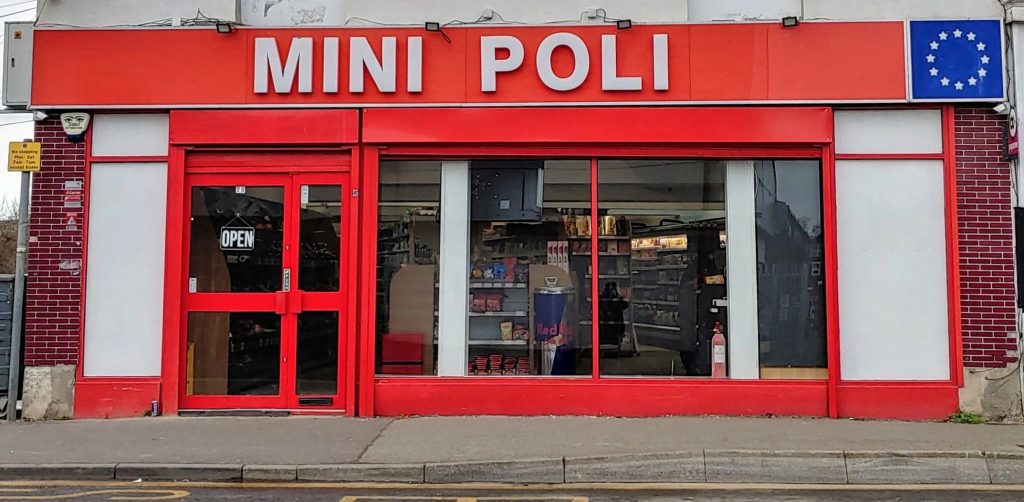
Mini Poli - before

After

Mini Poli after replacing their vinyl with a proper window

Before

Before - Baltic

After

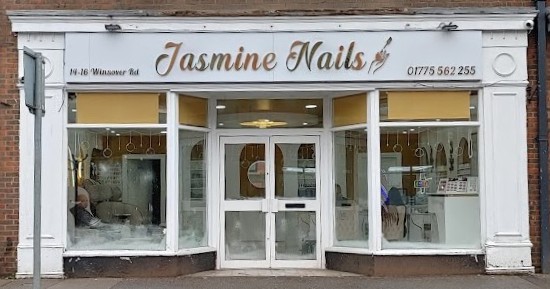
After - Jasmine Nails replaced the awful Baltic on Winsover Road

Before

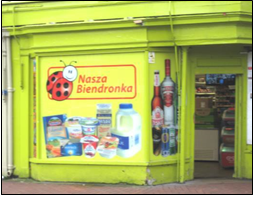
Before - Nasza Biedronka

After

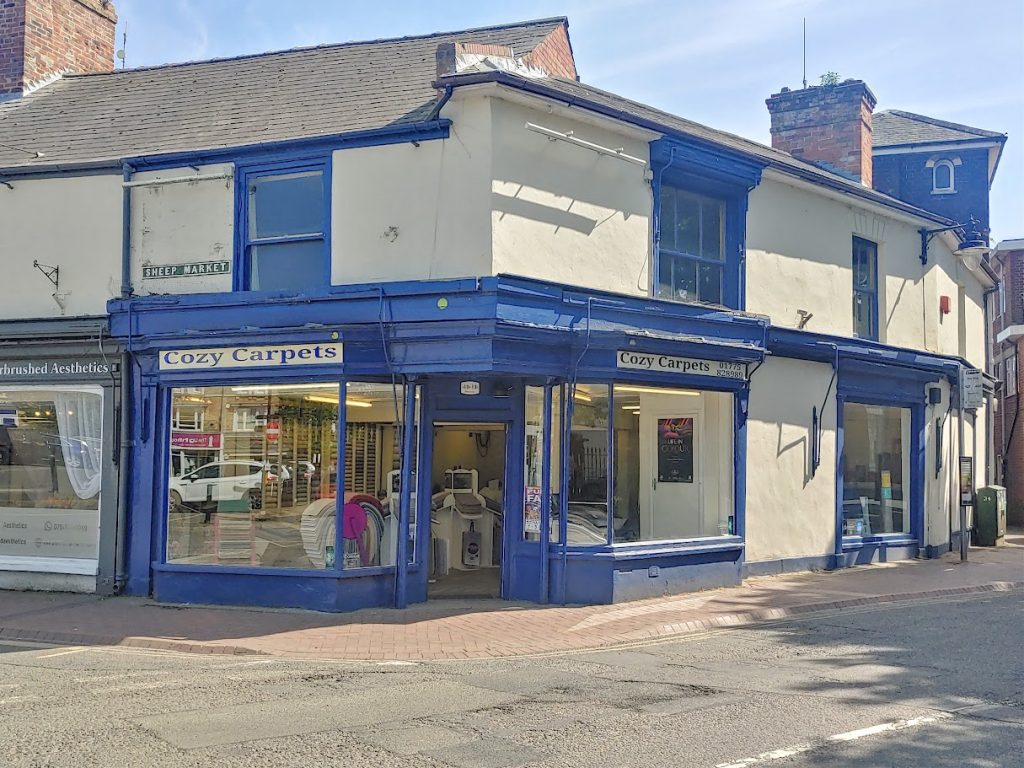
After - Cozy Carpets on Sheep Market is a considerable improvement

Before

Before - Cornerstone New Road

After

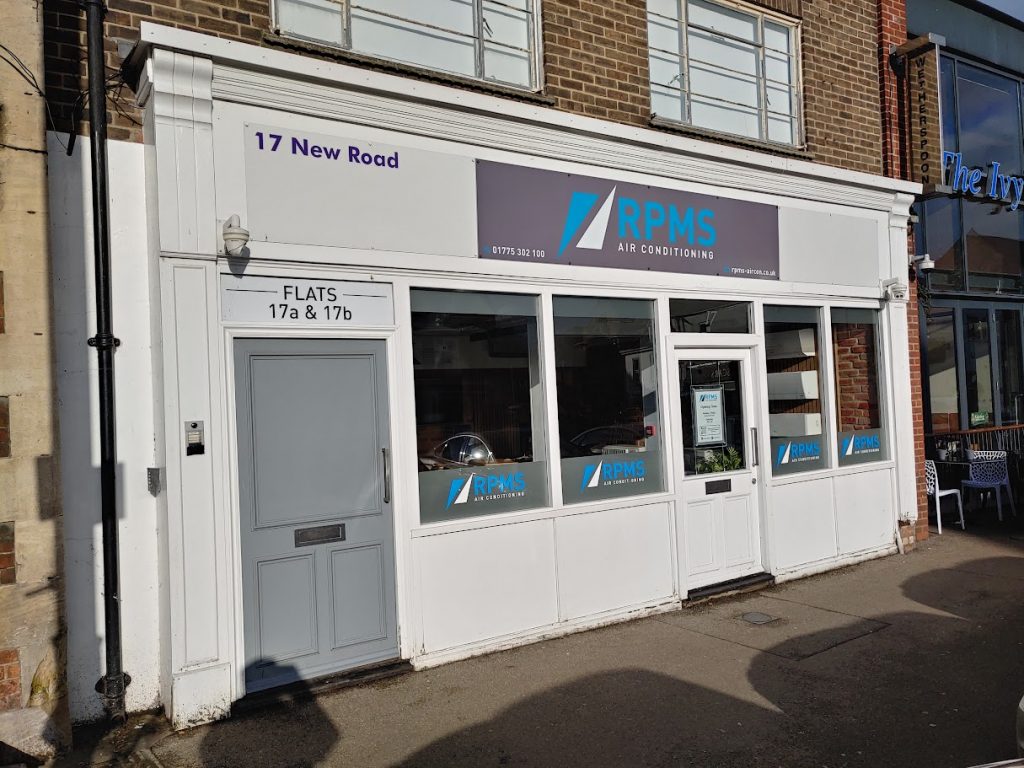
After - RPMS New Road showing that windows work for offices

Still some way to go

Despite the publicity of our campaign, some of the national chains inflicted more vinyl on the town, but with a new shop front design guide soon to be implemented, we hope that over time the vinyl will disappear and we will once again have ever-changing window displays that will add interest and variety to the town as traders return to the creative art of traditional window dressings to attract customers inside.

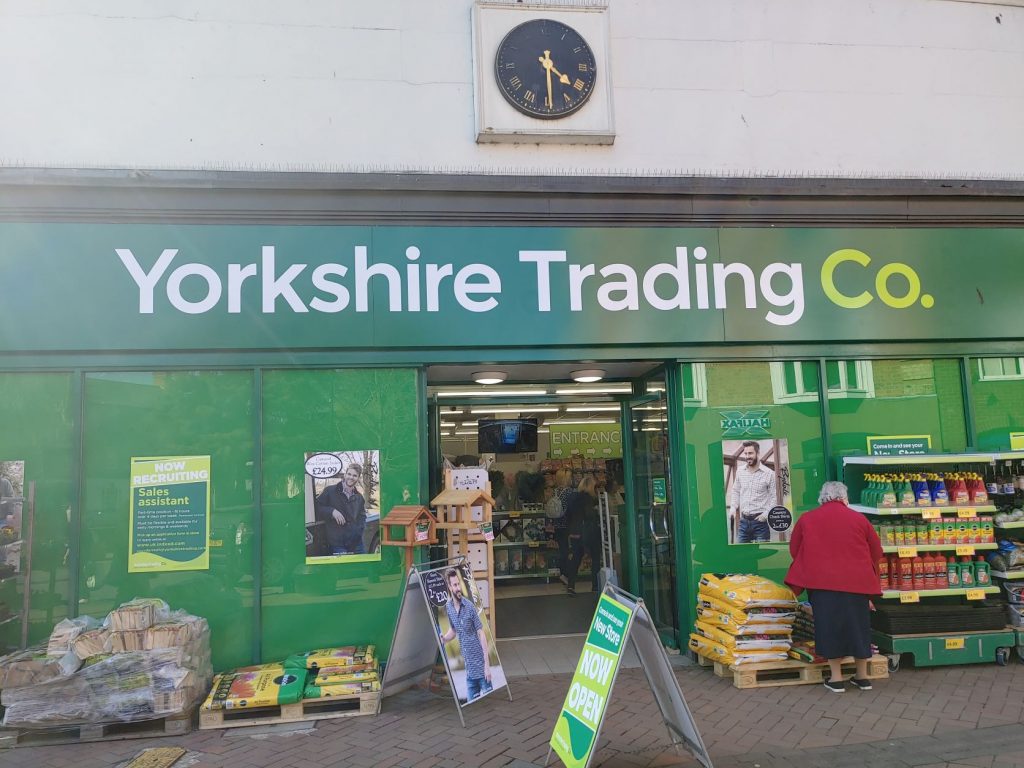
Yorkshire Trading, Bridge Street
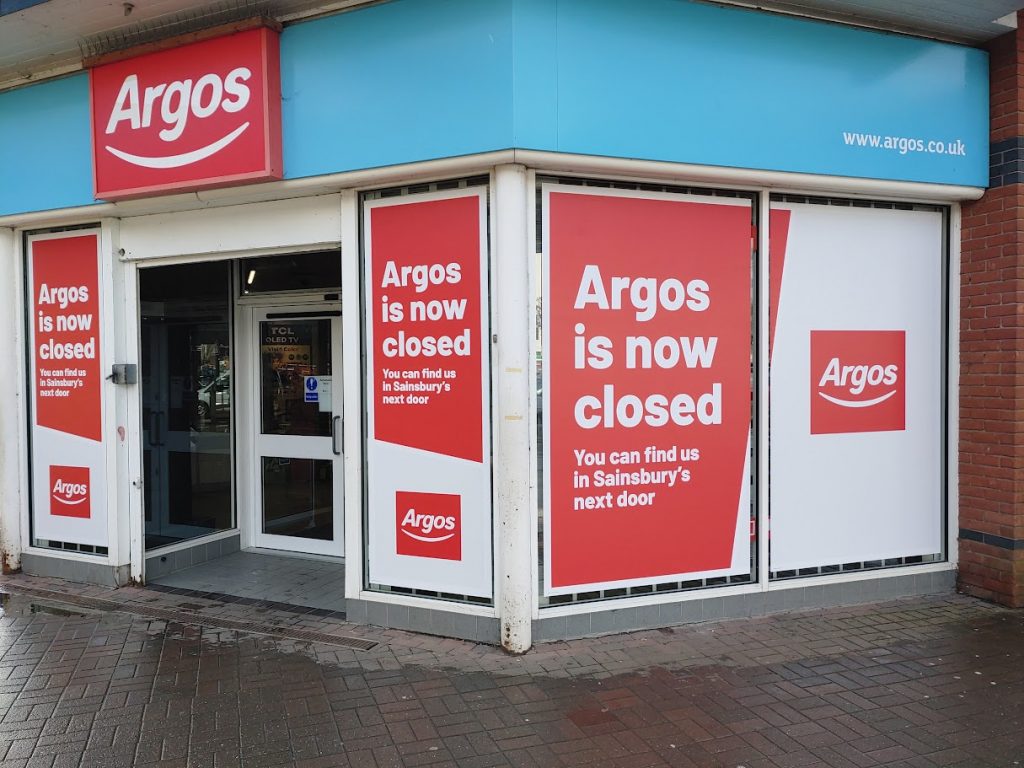
Surely Argos could have put a simple A4 notice on the door

Alternative solutions

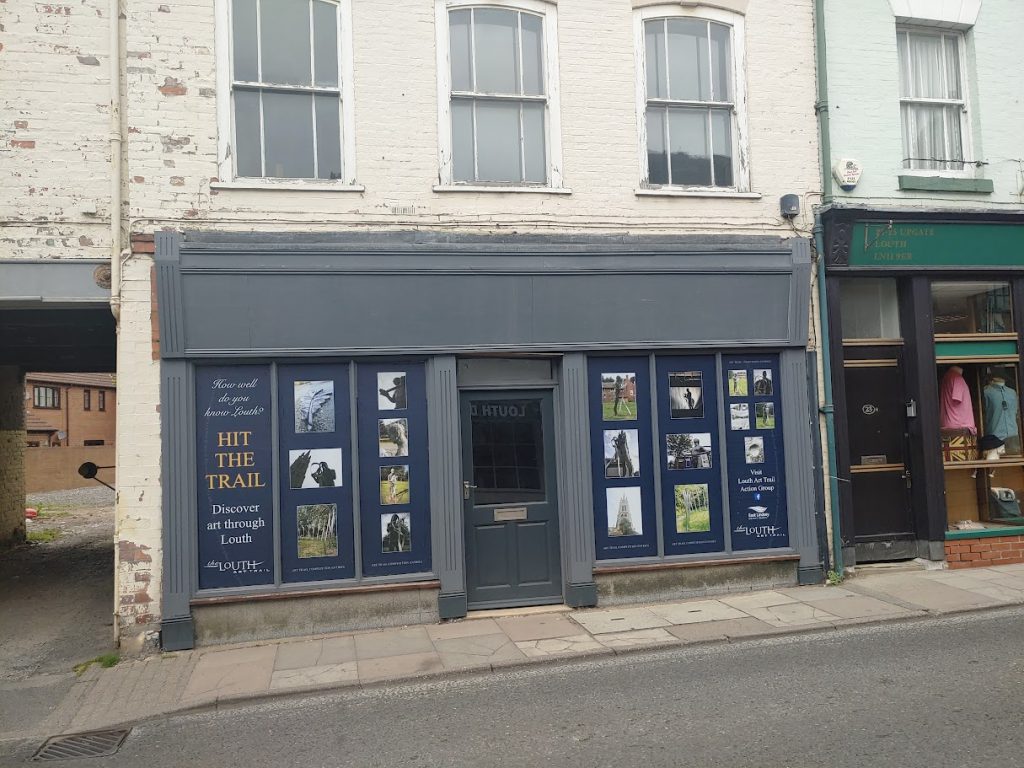
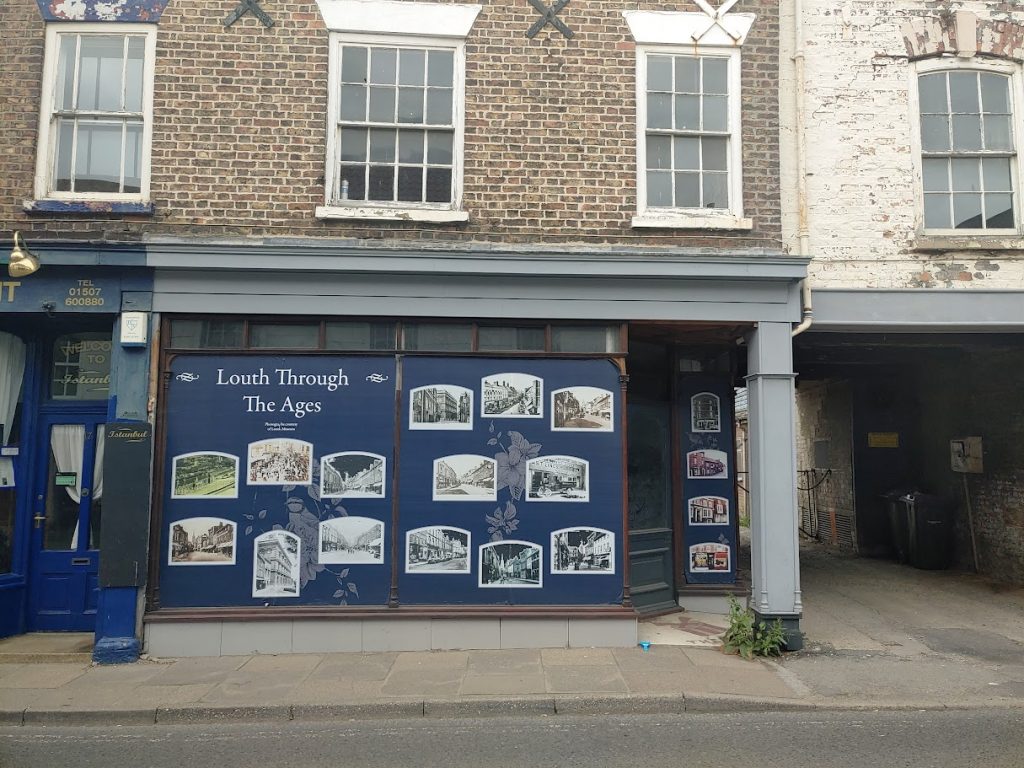
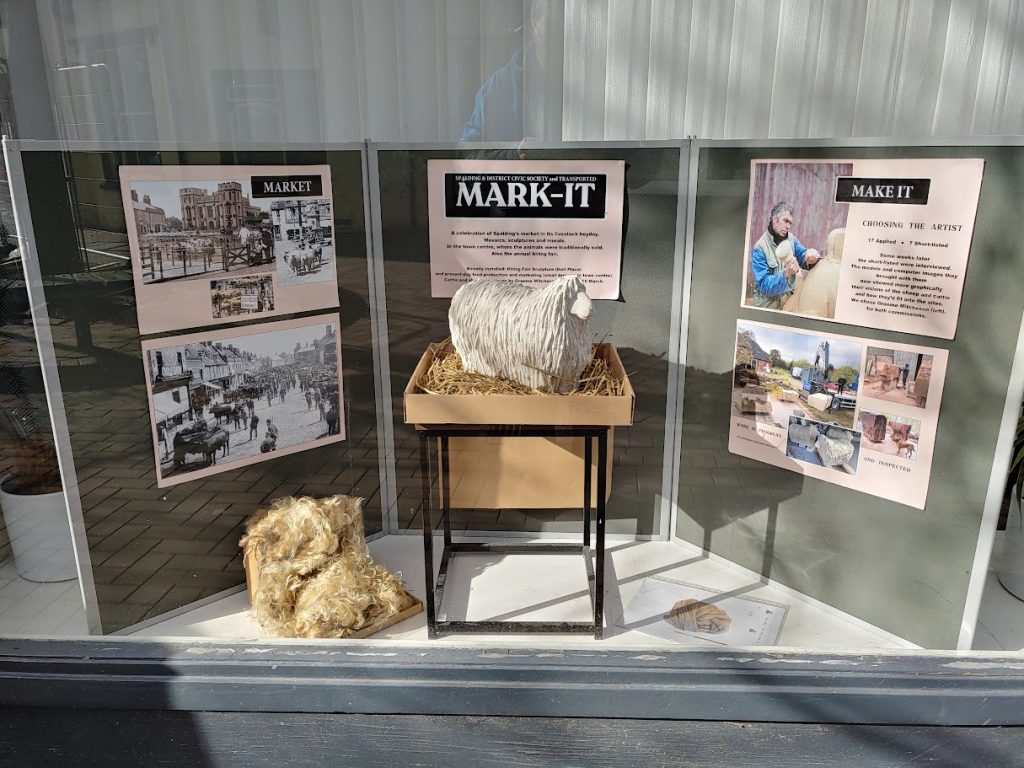
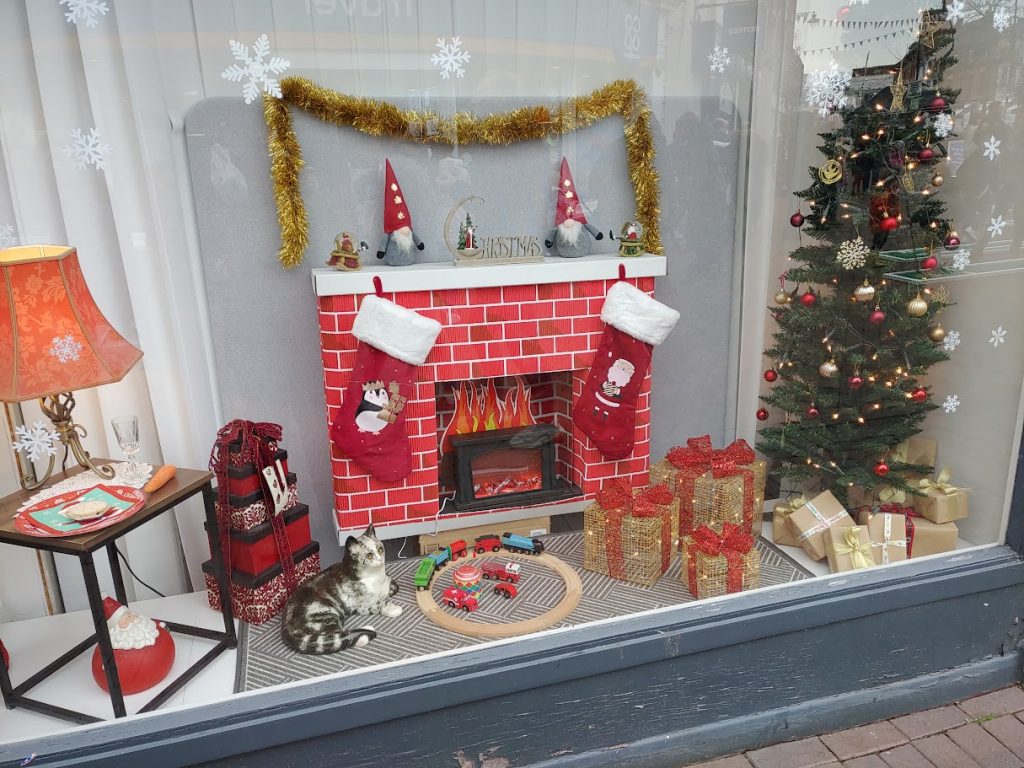
Sometimes it is of course not possible to have a shop layout that will allow a shop window space to remain unused. Where the space is needed, there are alternative solutions that are acceptable. For example, the space could be occupied with an event noticeboard. The town desperately needs one, or there are solutions such as that Hughes came up with that survives to this day, or perhaps a gallery of photographs or historic information about the town such as these examples seen in Louth. They would add interest for any visitor to the town and cannot be seen anywhere else. Or alternately a space for ever-changing window displays that could be seasonal  and could be entered in one of the regular shop window display competitions. There are examples in Spalding and elsewhere for inspiration.  
Louth Heritage display
Louth heritage display
Calthrops window space was used by the Society to promote our MARK-IT Trail
Calthrops seasonal display Christmas 2022